Pivioroeon
Still Deciding
Curious about a specific route or port? We are happy to point you toward useful information and help you ask the right questions before you commit.
Southeast Asian cruising raises more interesting questions the further you look into it. New itineraries are being developed, ports are expanding their facilities, and the mix of travellers choosing this region is changing. If you are trying to work out whether a Malaysian cruise route suits what you are looking for, we are glad to help you think it through at whatever stage you are at.
Learn moreExploring Southeast Asian Cruise Routes
What the region's ports and sea lanes actually offer curious travellers
Southeast Asia has a geography that seems almost designed for sea travel. Island chains, river deltas, and coastal cities stretch across distances that make cruising a genuinely practical — and often surprisingly rewarding — way to move through the region. Malaysia sits near the centre of all of this, with ports on both the Strait of Malacca and the South China Sea side of the peninsula, plus Borneo to the east. That spread of destinations within a single country is part of what makes regional cruise planning so interesting to think through. There is no single correct itinerary, and the options keep shifting as cruise lines adjust their routes and port infrastructure develops. This page tries to work through some of those variables honestly — not as a definitive guide, but as a starting point for thinking more clearly about what a Southeast Asian cruise might actually look like for you.

Ports Worth Exploring
Malaysia's cruise ports each carry their own character — here is a brief look at what makes them worth understanding before you arrive ashore for the first time
Port stops in Malaysia range from urban gateways with deep historical layers to smaller
coastal towns where the pace drops noticeably the moment you step off the gangway.
Knowing a little about each before you arrive tends to make those few hours ashore
considerably more rewarding. The challenge is that each port genuinely rewards a
different kind of visitor — and figuring out which one you are is part of the process.
Georgetown, Penang
A UNESCO World Heritage Site with colonial architecture, vibrant street art, and some of the most celebrated hawker food in Southeast Asia. A few hours ashore barely scratches the surface, but they are rarely wasted.
Port Klang and Kuala Lumpur
The main gateway to the capital, Port Klang is typically a transfer point rather than a destination in itself. The city beyond, however, offers a mix of modern skyline, historic districts, and remarkably varied food culture worth exploring.
Kota Kinabalu, Sabah
A port that opens up Borneo — with nearby rainforest, the Kinabalu mountain range visible on clear days, and seafood markets that draw visitors back. It tends to reframe expectations of what a port stop can actually be.
Kuching, Sarawak
Kuching moves at its own pace, and that is part of the appeal. The waterfront is compact and walkable, the food scene is distinctive, and the surrounding region offers access to wildlife reserves that feel genuinely remote despite being close to the city centre.
Seasons and Timing
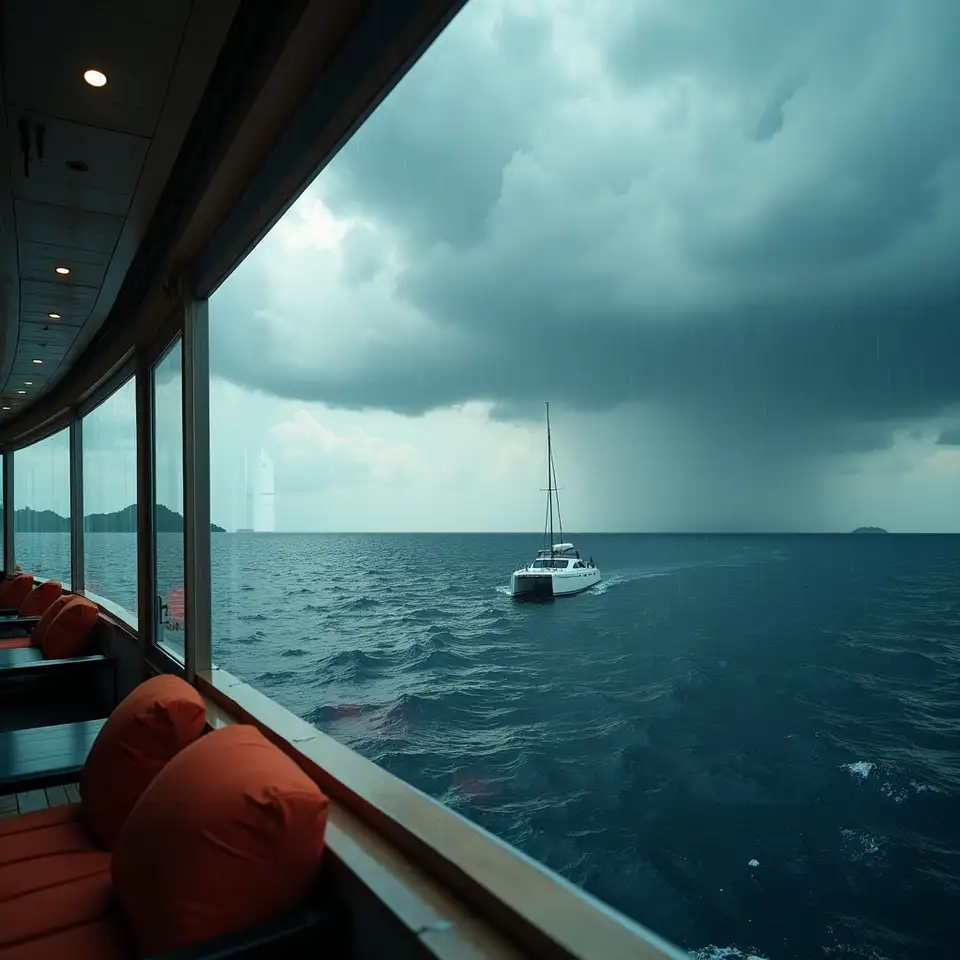
Timing a cruise through Southeast Asia is more layered than it might first appear. The region is shaped by two distinct monsoon systems, and the practical implications for cruise routes are real enough that most experienced travellers factor them in quite deliberately.
The northeast monsoon runs roughly from November through February, bringing heavier rainfall and rougher seas to the South China Sea. Routes that hug the east coast of Peninsular Malaysia tend to adjust during this period — something worth checking if your preferred itinerary includes those waters.
The southwest monsoon, arriving around May and lasting through September,
affects different parts of the region. The Andaman Sea and the Strait of Malacca
can see increased swell during these months, though the impact varies
considerably depending on the specific route and vessel.
March, April, and October tend to sit between the two monsoon systems and are often described as transition months. Whether they represent the most comfortable sailing conditions or simply a different set of variables is a question that experienced regional cruisers seem to answer differently depending on their particular experience.
Ship size interacts with seasonal conditions in ways that matter. A large vessel handles open-water swell differently from a smaller expedition-style ship. If you are prone to seasickness, this intersection of season and ship type is worth thinking through before booking rather than after.
What is still being worked out, at least from where we sit, is how climate patterns in the region are shifting over time. The monsoon rhythms that have structured regional cruising for years may be becoming slightly less predictable — something the industry is watching, even if the full picture is not yet clear.
All of which is to say: seasonal timing in Southeast Asian cruise planning
rewards some research. The broad patterns are well established, but the details
have a way of mattering more than you might expect when you are actually at sea.

Onboard Versus Ashore
One of the more interesting tensions in cruise travel is the pull between what the ship
offers and what the port offers. Some passengers plan their voyages almost entirely
around the onboard experience — the dining, the entertainment, the rhythm of life at sea
— and treat port stops as pleasant interruptions. Others board the ship purely as a
means of getting from one destination to the next, and would happily skip the sea days
if they could.
Neither approach is wrong, but understanding which one you lean toward can significantly
shape which itinerary is actually right for you. A route with five or six port days in
quick succession suits a different kind of traveller from one that mixes ports with
longer stretches of open water. The cruise lines themselves have varying philosophies on
this balance, which is another variable worth factoring into the comparison.
What is harder to know in advance is how your own preferences will shift once you are
actually at sea. Many travellers who board expecting to spend every moment ashore find
themselves unexpectedly drawn to the quiet of a sea day. Others who imagined long
restful stretches of ocean find themselves restless by the second day without a port. It
is one of those things the experience tends to clarify — which is perhaps the best
argument for simply going and seeing what you discover.
What Shapes the Experience Beyond the Itinerary
The variables that matter once you have chosen your route
Itinerary is often the first thing cruise travellers research, and rightly so — the sequence of ports, the sea days, the overall duration all frame the journey in fundamental ways. But there is a second layer of variables that tends to get less attention in the planning phase and more attention in the post-voyage reflection. Cabin category, fellow passenger demographics, dining style, and the specific ship's layout all contribute to what the experience actually feels like from the inside.
Cruise lines have distinct personalities, and those personalities attract distinct passengers. A ship that markets heavily toward families will feel different from one that appeals primarily to couples or solo travellers — even if the itinerary is identical. This is one of those areas where reading between the lines of cruise line marketing materials is a useful skill, and one that takes a little practice to develop. Online travel communities can be surprisingly helpful here, offering ground-level perspectives that official materials rarely provide.
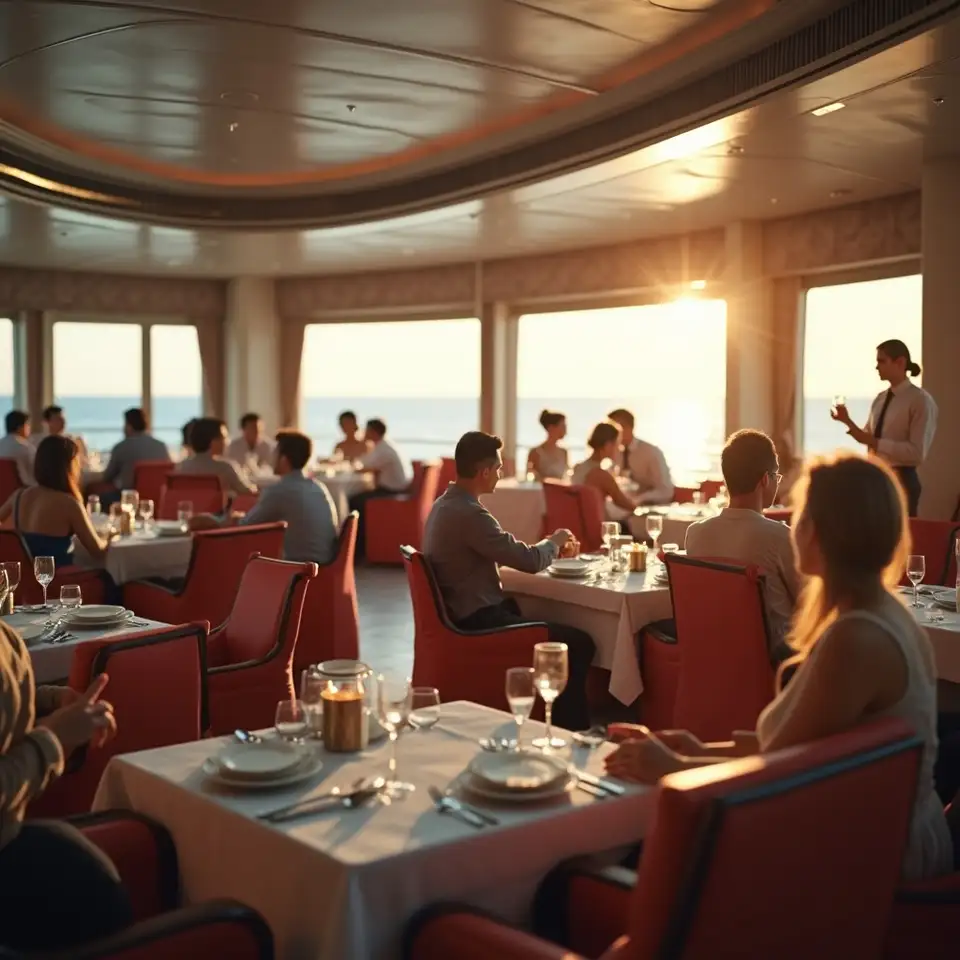
Passenger demographics shape the onboard atmosphere in ways that are hard to fully anticipate from brochures alone.
Dining style and flexibility vary considerably between cruise lines and can affect daily rhythms more than expected.
Cabin location within the ship influences both comfort at sea and convenience for daily movement onboard.
Departure timing within a season affects both weather conditions and the overall mix of fellow passengers onboard.
The Ship Itself Matters as Much as the Route
Vessel size, age, and layout all shape the experience significantly.
Planning Practically

1
Documentation First
Multi-country cruise itineraries in Southeast Asia can involve visa requirements that vary from port to port. Malaysia has straightforward entry arrangements for many nationalities, but neighbouring countries on the same itinerary may not. Checking requirements well in advance — not the week before departure — is one of those habits that experienced cruise travellers consistently mention. The rules also change periodically, so verifying close to the travel date is equally important. It is an area where thoroughness pays off in a way that is hard to overstate.
2
Travel Insurance
Travel insurance for cruise voyages deserves more attention than it typically receives in the pre-booking phase. Standard travel policies do not always cover cruise-specific scenarios — missed port departures, onboard medical care, or itinerary changes due to weather. Reading the policy terms carefully, and asking specific questions about cruise coverage before purchasing, is time well spent. The range of policies available in Malaysia for cruise travel has grown in recent years, though what is actually covered varies considerably between providers.
Health Preparation
Health considerations for Southeast Asian cruises tend to centre on a few consistent themes: sun exposure on deck, food and water caution at certain ports, and the possibility of seasickness for those who have not sailed before. Speaking with a travel health professional before departure is worth doing, particularly for longer voyages or itineraries that include ports with specific health advisories. Prescription seasickness medication, if needed, is something to arrange before boarding rather than hoping the ship's medical centre can help at short notice.
Packing With Purpose
Cruise packing for Southeast Asia is a layered exercise. The heat and humidity of the region call for lightweight, breathable fabrics, but most cruise lines still maintain dress codes for certain dining venues in the evenings. Shore excursions that involve walking, temples, or natural sites require comfortable shoes and appropriate clothing. A compact day bag for port visits, a reusable water bottle, and sun protection tend to come up repeatedly in the practical advice of travellers who have done this route before. Getting the balance right is something most people refine on their second voyage.