Cruise Ready

Booking Timing

When you book relative to your departure date matters more in cruise travel than in most other forms of tourism. Early bookings often unlock better cabin selection and, on some itineraries, more competitive pricing — though last-minute availability does occasionally appear for flexible travellers. The regional cruise calendar in Southeast Asia also means that certain departure windows fill faster than others, particularly around school holiday periods in Malaysia and neighbouring countries. Understanding the rhythm of demand before you commit to a date tends to produce better outcomes than booking reactively.

Port Day Strategy

A few hours ashore in an unfamiliar city rewards some advance thinking. The most common regret among first-time cruise travellers is not the port they visited but how they spent the time once there. Deciding in advance whether you want a structured excursion, independent exploration, or simply a quiet walk and a meal near the waterfront helps you arrive ashore with a plan rather than a dilemma. Each approach suits different ports differently — Georgetown rewards wandering; Kota Kinabalu rewards having arranged transport in advance.

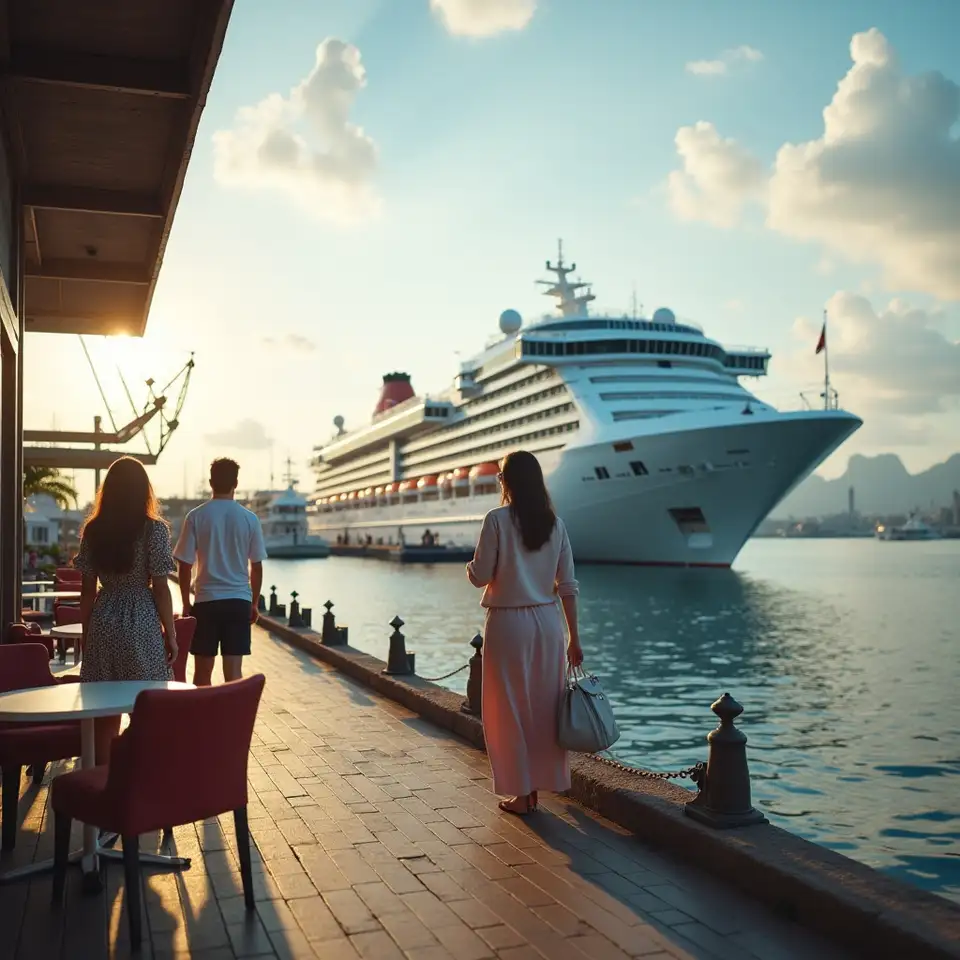
Passengers on deck tropical morning
Cruise ship at Malaysian harbour

Onboard Spending

The base cruise fare covers accommodation, main dining, and most onboard entertainment — but the additional economy of a cruise ship has its own logic. Specialty restaurants, beverages, spa services, and ship-booked shore excursions all carry separate costs. Some cruise lines now offer bundled packages that consolidate certain extras at a set price, and whether these represent value depends on how you actually travel. Working out a rough additional budget before boarding tends to make the financial side of the voyage considerably less surprising once you are at sea.

Return Planning

What happens after the cruise is worth thinking about before it starts. Some travellers build in a night or two at the embarkation or disembarkation city — particularly useful if the voyage ends in a port that deserves more time than a cruise itinerary allows. Penang and Kuala Lumpur both reward an extended stay, and Kota Kinabalu sits within reach of experiences that a single port day barely touches. Factoring this into your overall travel plan, rather than treating the cruise as a self-contained unit, often produces a richer overall journey.
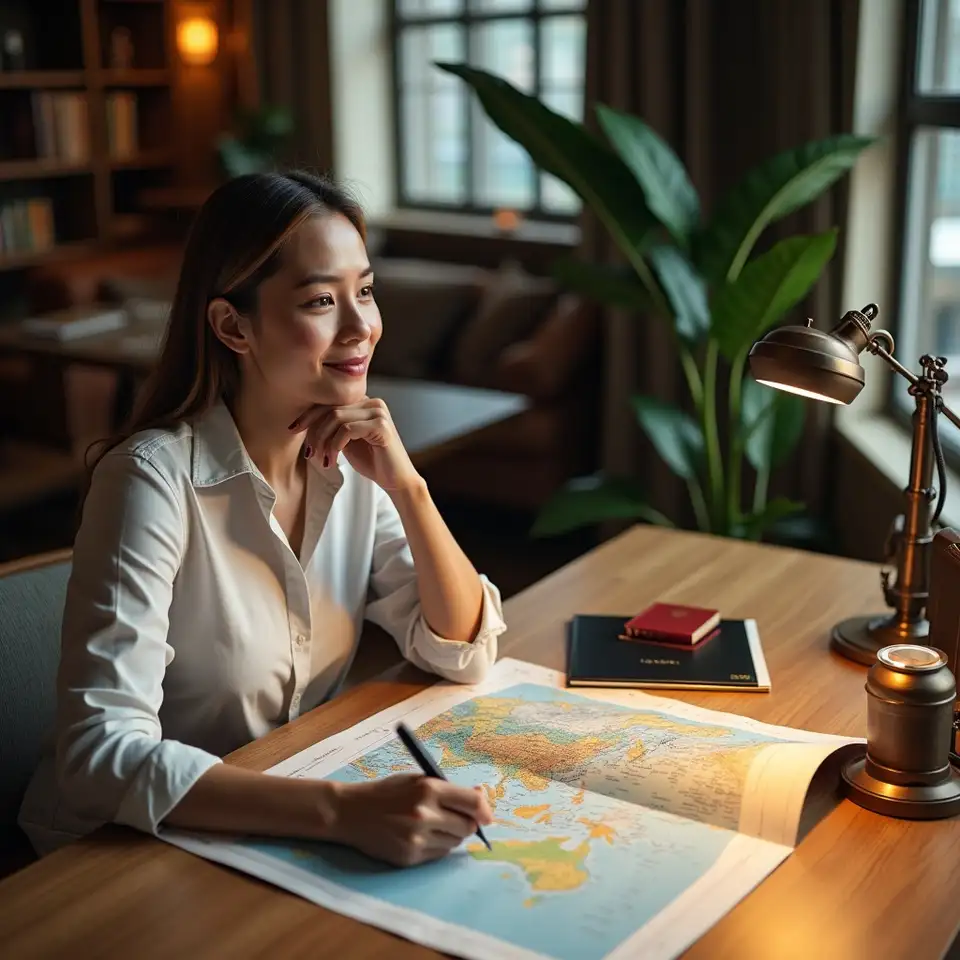

Traveller planning cruise route with passport and map

Frequently Asked Questions About Cruising in Malaysia and Southeast Asia

There are questions that come up repeatedly among travellers considering their first cruise through this region — and some that experienced cruisers are still working through after multiple voyages. What follows is an attempt to address the most common ones honestly, without pretending the answers are always tidier than they actually are. Cruise travel in Southeast Asia rewards curiosity, and the questions you bring to the planning phase tend to shape the experience you end up having. Is a cruise the right format for exploring this region? That depends on what you are hoping to find. The sea-based perspective — the coastlines, the ports, the open water between them — offers something genuinely different from land travel. Whether that difference is what you are looking for is worth sitting with before you book. Which ports are worth prioritising? All of the major Malaysian cruise ports have something to offer, but they reward different kinds of travellers. Georgetown suits those who want history, food, and a walkable city. Kota Kinabalu suits those who want nature and a sense of genuine remoteness within reach. Kuching suits those who want a slower pace and a more layered cultural experience. Port Klang is primarily a gateway rather than a destination, though Kuala Lumpur beyond it is substantial. How much does the ship matter? More than most first-time cruisers expect. The vessel shapes the daily experience in ways that the itinerary does not fully determine. Choosing a ship that suits your preferred pace and atmosphere is at least as important as choosing the right sequence of ports.

How far in advance should you book? There is no single answer, and the honest version is that it depends on the itinerary, the season, and how flexible you are about cabin category. Popular departure windows in Southeast Asia — around school holidays, the dryer months between monsoons — tend to attract demand earlier. If a specific cabin type or location on the ship matters to you, earlier is generally better. If you are flexible on both, waiting can occasionally produce better pricing, though it introduces uncertainty about availability.

What should you do if your plans change after booking? Cruise booking terms vary considerably between operators, and the conditions around changes and cancellations are worth reading carefully before you commit rather than after. Travel insurance that covers cruise-specific scenarios — missed departures, itinerary changes, onboard medical care — is worth researching as a separate exercise from the booking itself. This is an area where the details matter and where a little careful reading in advance is genuinely useful.

Are there aspects of Southeast Asian cruising that are still being worked out? Honestly, yes. The region's cruise infrastructure is developing, itineraries are evolving, and the industry's relationship with ecologically sensitive destinations like Borneo is an ongoing conversation rather than a settled matter. Travelling with some awareness of that context — and some curiosity about it — tends to produce a richer experience than approaching the voyage as a finished product.

Sustainability at Sea

The environmental footprint of cruise travel is a subject that the industry is grappling with in ways that are more visible than they were a decade ago. Fuel consumption, waste management, and the impact of large numbers of visitors arriving at ecologically sensitive ports in short windows are all legitimate concerns — and ones that increasingly inform how some travellers make their booking decisions.

Some cruise lines have made meaningful commitments to reducing emissions and improving waste practices, and the specifics of those commitments vary considerably. Reading past the headline claims to understand what is actually being measured and reported is useful, if occasionally time-consuming. Independent assessments of cruise line environmental performance exist and tend to offer a more reliable picture than self-reported marketing materials.

For travellers who care about this dimension of the decision, the choice of cruise line and itinerary can be a genuine expression of that concern — or it can remain at the level of general aspiration without much practical impact. What is still being worked out, across the industry and among travellers, is what responsible cruise tourism in a region like Southeast Asia actually looks like in practice. That is an honest question without a tidy answer yet.

Tropical ocean viewed from cruise ship deck

Cruise Travel Perspectives

There is a version of a cruise voyage that exists in the brochure — perfectly composed photographs, effortlessly elegant dining, ports that reveal themselves on cue and return passengers to the ship exactly on time. And then there is the version that actually happens, which is usually better in unexpected ways and occasionally more complicated in ways the brochure does not mention. The sea does what it wants. Weather shifts. A port stop gets shortened or skipped entirely due to conditions. The dining room is fuller than you expected on formal night. A shore excursion runs long and you return to the ship with minutes to spare. None of this is a reason not to cruise — it is simply what travel actually is, as opposed to what it looks like when someone else has edited out the rough edges. What experienced cruise travellers in Southeast Asia tend to describe, looking back, is that the unplanned moments are often the most memorable. The conversation with a fellow passenger at the ship's rail as the sun drops behind the islands. The hawker stall found by following a local rather than a map. The sea day that started as an inconvenience and became unexpectedly restorative. These things do not appear in itinerary comparisons or cabin category charts. They emerge from the experience itself, and they are largely unpredictable. What we find interesting about cruise travel in this region is that it creates conditions for exactly this kind of encounter — the geography, the cultural variety of the ports, the enforced pause of days at sea — in ways that are genuinely hard to replicate through other forms of travel. Whether that suits what you are looking for is a question only you can answer. But it is worth asking it honestly before you decide. Southeast Asian cruising is not for every traveller, and the best versions of it tend to go to those who approach the voyage with some clarity about what they are actually hoping to find — and enough flexibility to let the journey surprise them in the places where no amount of planning reaches.

A Note on How We Write About Cruise Travel

Writer researching cruise travel at a desk with notes

Honest, curious, and still learning — that is the approach we try to take

We do not write about cruise travel as though every question has a clean answer. The region is complex, the industry is evolving, and the right voyage for one traveller is genuinely wrong for another. What we try to offer is a starting point for thinking more clearly — not a definitive guide.

The content on this site is written from a position of genuine curiosity about what cruise travel in Southeast Asia actually involves — the logistics, the cultural texture, the seasonal variables, and the personal dimensions that shape whether a voyage delivers what you were hoping for. We try to reflect both what is well established and what is still being worked out.

We do not have a financial interest in directing you toward any particular cruise line, itinerary, or booking channel. What we care about is that the information here is useful — that it helps you ask better questions, avoid common planning mistakes, and approach a booking decision with a clearer picture of what you are actually choosing. If something on this site raises a question we have not addressed, we are glad to hear from you. The best content often starts with a question someone was not sure was worth asking.

Cruise travel writing exists on a spectrum from thinly disguised advertising to genuinely independent commentary, and most of what you find online sits closer to the promotional end than the editorial end. That is not necessarily dishonest — it is simply a reflection of how the industry works and how travel content gets funded. We think it is worth being transparent about that context rather than pretending it does not exist. Our aim is to sit at a different point on that spectrum: acknowledging what we do not know, being honest about trade-offs, and treating the reader as someone capable of making their own decisions given a clearer picture of the relevant variables. Whether we succeed at that is something you are in a better position to judge than we are. What we can say is that it is the standard we are trying to meet — and that we are more interested in being useful than in sounding authoritative.

Cruise ship at scenic tropical Malaysian port

Get In Touch

If something on this page raised a question we have not answered, we would genuinely like to hear it

The questions that come up in the planning phase of a Southeast Asian cruise are often more specific than general guides can address — a particular itinerary, a specific port, a concern about timing or documentation or what a certain category of ship actually feels like from the inside. We are not in a position to answer everything, but we are glad to try to point you toward useful information or simply think through the variables with you. There is no agenda here beyond being helpful. If you are at the stage of working out whether a cruise in this region suits what you are looking for, or if you are further along and trying to make sense of specific options, reaching out costs nothing and occasionally produces something genuinely useful. We will respond thoughtfully and without pressure.
Learn more

We Use Cookies on This Site

Pivioroeon.com uses cookies to help the site function correctly and to understand how visitors engage with our cruise travel content. Some cookies are essential; others help us improve the site over time.