Cruise Experiences
Choosing Your Ship
The ship you sail on shapes the experience as much as the ports you visit. Larger vessels offer more amenities — multiple dining venues, pools, entertainment programmes — but they also mean more fellow passengers and a more structured daily rhythm. Smaller ships tend to feel more intimate and can access ports that larger vessels simply cannot. Neither is objectively better, and the right answer depends on what you are hoping to get out of the voyage. Thinking this through before comparing itineraries tends to lead to a clearer decision.
Cultural Sensitivity
Southeast Asian ports carry distinct cultural traditions, and cruise passengers who take a few minutes to understand them tend to have noticeably better experiences ashore. Dress codes matter at temples and religious sites across Malaysia, Indonesia, and Thailand. Basic courtesy around local customs — removing shoes when entering certain spaces, being mindful of photography near places of worship — goes a long way. It is not a long list of rules, but it is worth being aware of before you step off the gangway.
Budgeting Onboard
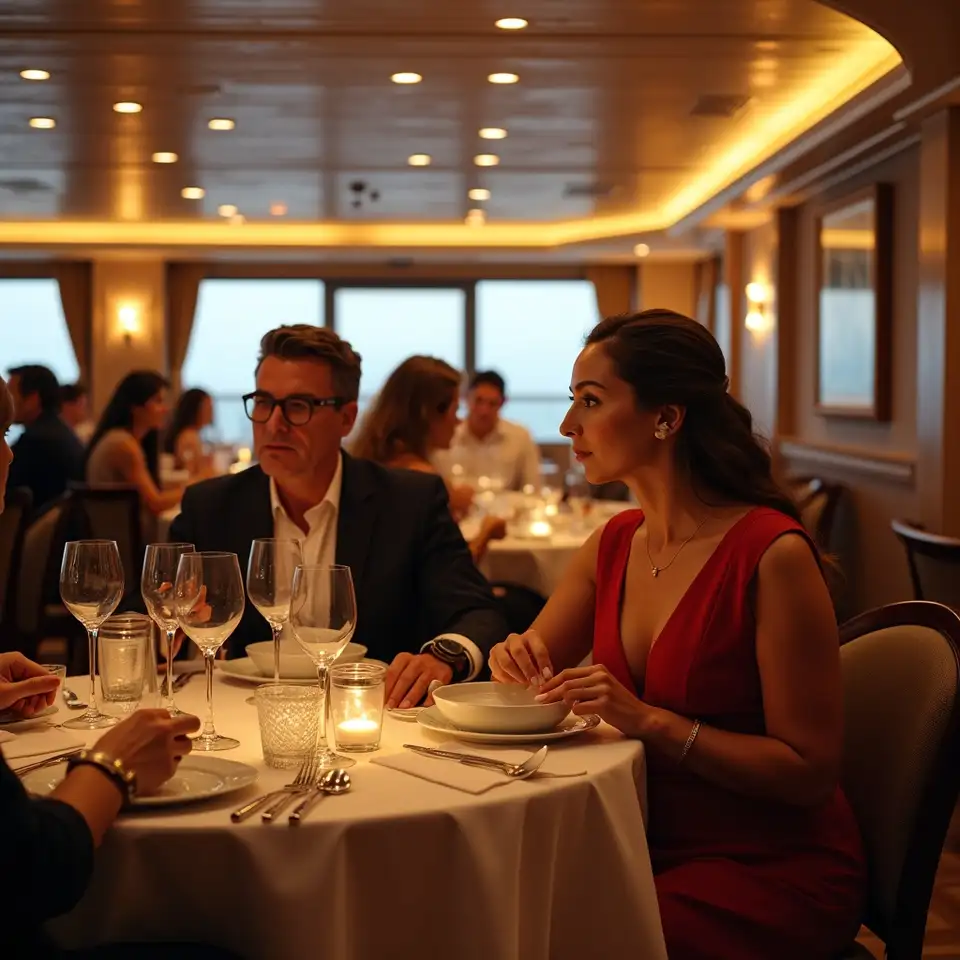
The headline cruise fare covers a great deal, but the onboard economy has layers that catch first-time cruisers by surprise. Specialty dining, beverages, shore excursions booked through the ship, spa treatments, and gratuities all sit outside the base fare on most cruise lines. Understanding roughly what you are likely to spend beyond the ticket price — and deciding in advance which extras matter to you — tends to make the financial side of the voyage considerably less stressful once you are actually at sea.

Understanding What Makes a Cruise Work in This Region
The practical and personal variables that shape regional cruise travel
Cruise travel in Southeast Asia works differently from cruising in the Mediterranean or the Caribbean, and those differences are worth understanding before you book. The monsoon calendar, the cultural diversity of the ports, the variable quality of port infrastructure, and the sheer geographic spread of the region all introduce variables that do not feature as prominently in other cruising destinations. None of this is a reason to hesitate — but it is a reason to go into the planning phase with a few more questions than you might otherwise ask.
There is also a question of what kind of traveller you are bringing to this experience. Southeast Asian ports tend to reward curiosity and a degree of flexibility. Schedules can shift, weather can intervene, and the most memorable moments often happen in the gaps between planned activities. Experienced regional cruise travellers often describe this unpredictability as part of the appeal rather than a drawback — though that perspective usually arrives after the first voyage, not before it.
Ship size and type interact with regional port infrastructure in ways that affect itinerary options significantly.
Monsoon timing shapes which routes are available in which months and affects sea conditions noticeably.
Multi-country itineraries require documentation checks across several different entry requirements.
Port stops vary considerably in terms of what is walkable from the pier versus what requires arranged transport.
Language is rarely a barrier in major ports, but some preparation for smaller or less-visited stops is worthwhile.
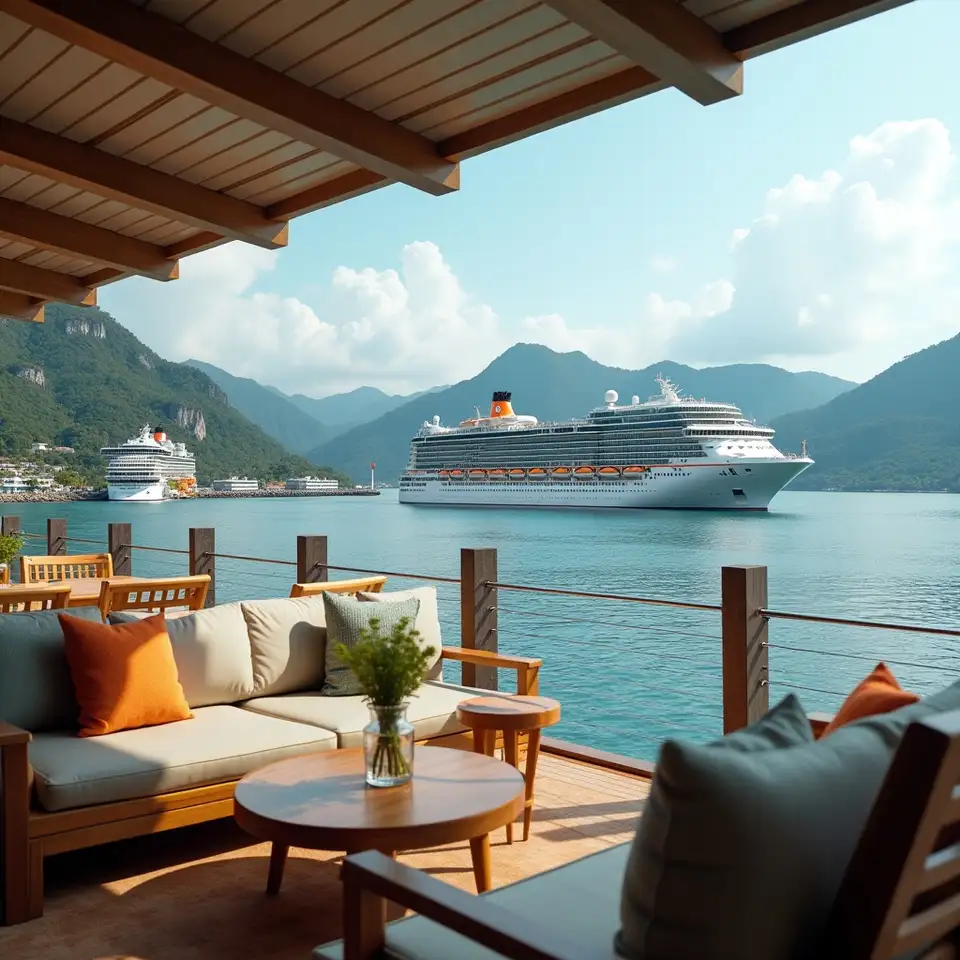
Flexibility Tends to Reward Regional Cruise Travellers
Plans shift and weather intervenes — adaptability helps.

Borneo and the Eastern Ports — A Different Kind of Cruise Destination
When most people picture a Southeast Asian cruise, they imagine the Strait of Malacca — Singapore, Penang, Langkawi, perhaps a stop in Thailand. That western corridor is well-established and deservedly popular. But the eastern side of Malaysia, and Borneo in particular, offers something that is harder to categorise and arguably more surprising. Kota Kinabalu opens up a coastline backed by rainforest and, on clear mornings, the outline of Mount Kinabalu visible from the water. Kuching moves at a pace that feels genuinely different from the more heavily visited western ports. The wildlife reserves accessible from both cities are among the most ecologically significant in Southeast Asia, and the food cultures are distinct in ways that become apparent quickly once you are ashore. What is less settled is how cruise itineraries to this region will develop over the coming years. Port infrastructure in Borneo is improving, and there is growing interest from cruise lines in extending eastern Malaysian routes. Whether that brings more options or simply more passengers to existing stops is still playing out. For now, the eastern ports retain a quality that the more frequently visited western corridor has partly traded away — the sense that you are somewhere that has not yet been entirely optimised for cruise tourism. That may change. It is worth experiencing while it is still the case.
Sandakan is occasionally included in eastern Malaysian itineraries and deserves more attention than it typically receives. The city carries a layered history — it was the capital of British North Borneo and suffered significantly during the Second World War — and the surrounding area offers access to orangutan sanctuaries and proboscis monkey habitats that are genuinely extraordinary. A port stop here rewards passengers who have done a little preparation in advance rather than those who plan to figure it out at the pier.
The practical logistics of Borneo port stops are worth thinking through separately from the itinerary selection itself. Some attractions require advance booking, particularly wildlife encounters that limit visitor numbers. Transport from the pier to key sites is not always as straightforward as in more established cruise ports. None of this is prohibitive, but it does mean that the usual approach of deciding what to do once you are ashore tends to work less well here than it does in Georgetown or Langkawi.
Food and Culture Ashore
River Cruising Options
Cruise Styles Compared
Large Resort Ships
High passenger counts, extensive onboard amenities, and well-established port itineraries. The experience is polished and predictable, which suits some travellers well and others less so.
Mid-Size Cruise Lines
A middle ground between resort scale and boutique intimacy. Often described as offering more flexibility and a slightly more relaxed atmosphere, though the definitions vary between operators.
Small Ship Cruising
Fewer passengers, quieter common areas, and access to ports that larger vessels cannot enter. The trade-off is fewer onboard amenities and, typically, a higher per-passenger price point.
Expedition Cruising
Designed around destination access rather than onboard experience. Naturalist guides, inflatable landing craft, and itineraries built around wildlife or remote coastal access rather than port infrastructure.